Gambling Commission Stresses Need for Proven AI Tools in AML Efforts at London Conference

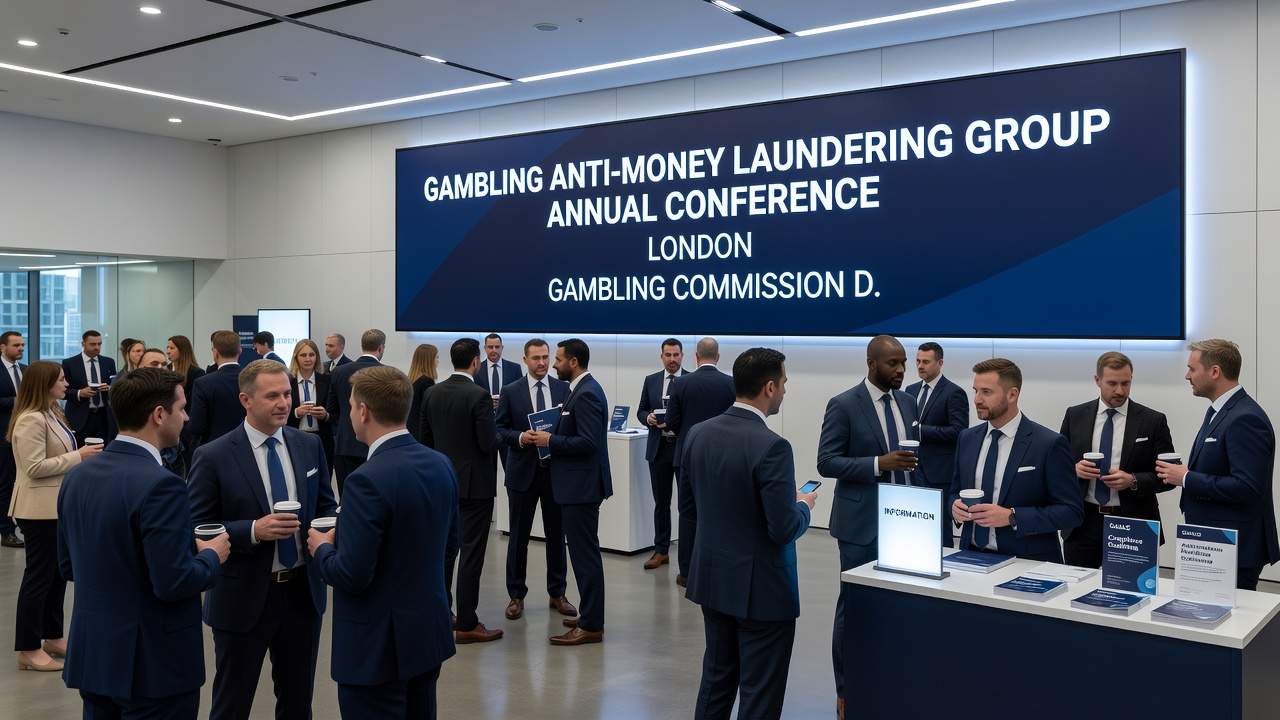
At the Gambling Anti-Money Laundering Group Annual Conference held in London, Gambling Commission Director of Enforcement John Pierce addressed attendees on the role of artificial intelligence and algorithms in anti-money laundering compliance for gambling operators. Pierce noted that companies using these technologies must demonstrate their effectiveness because current evidence indicates frequent shortfalls in meeting required standards. The regulator continues to welcome technological advancements yet insists on practical results during active enforcement against illegal gambling activities.
Pierce delivered these remarks as part of ongoing discussions about how operators can strengthen their compliance frameworks. He pointed out that while many firms have adopted AI-driven systems to monitor transactions and flag suspicious patterns, verification remains essential to confirm these tools deliver consistent outcomes. Data from enforcement cases shows that some implementations fall short of expectations, which prompts the need for operators to provide clear proof of functionality before relying on them fully.
Key Points from the Enforcement Director's Address
The speech highlighted several core requirements for operators integrating automated solutions into their AML processes. First, systems must undergo rigorous testing to establish they identify risks accurately across various scenarios. Second, operators need to document how algorithms adapt to evolving threats rather than assuming initial deployment suffices. Third, the Gambling Commission expects ongoing oversight to ensure performance does not degrade over time. These elements combine to form a framework where technology supports but does not replace human accountability in compliance decisions.
Observers at the event noted that Pierce balanced encouragement for innovation with reminders about regulatory expectations. The commission stays open to new approaches because effective tools can improve detection rates and reduce manual review burdens. Yet the emphasis stayed on measurable results, since unproven systems risk leaving gaps that illegal operators might exploit. Enforcement actions continue against unauthorized gambling platforms, which underscores the broader context for these compliance standards.
Context Around AML Compliance in UK Gambling
UK gambling operators face strict obligations under money laundering regulations, and the Gambling Commission oversees adherence through regular reviews and investigations. Pierce's comments arrive amid increased scrutiny of how firms handle customer due diligence and transaction monitoring. Automated tools offer potential efficiency gains, but the director stressed that operators cannot shift responsibility onto technology without validation. Evidence gathered from past cases reveals instances where algorithmic flags missed critical indicators or generated excessive false positives that overwhelmed staff resources.
Those who've followed enforcement trends recognize that successful implementation depends on integration with existing policies and staff training. Pierce explained that regulators evaluate not just the presence of AI systems but their actual contribution to risk mitigation. Operators must therefore maintain audit trails showing how decisions derived from algorithms align with legal requirements. This approach helps prevent situations where reliance on unverified tools leads to compliance failures during inspections.
Regulatory Stance on Technology Adoption
The Gambling Commission maintains that openness to innovation does not equate to reduced standards. Pierce clarified that new technologies receive consideration when they demonstrate reliable performance in real-world applications. Operators seeking to deploy AI solutions should prepare detailed evidence packages that include performance metrics, testing protocols, and comparison data against previous methods. Such preparation supports smoother regulatory interactions and reduces the likelihood of enforcement interventions tied to inadequate controls.
Conference discussions also touched on collaboration between the commission and industry groups like GAMLG. These forums allow for shared learning about effective practices while reinforcing that each operator bears responsibility for its own systems. Pierce encouraged participants to view technology as one component within a wider compliance strategy rather than a standalone solution. This perspective aligns with the regulator's focus on comprehensive risk management that addresses both technical capabilities and operational oversight.
Implications for Operators and Future Enforcement
Operators now face clear expectations to validate any AI or algorithmic tools before full integration into AML workflows. Failure to do so could result in findings during compliance assessments that trigger further action. The commission's enforcement efforts against illegal gambling remain active, which creates an environment where proven compliance measures become even more critical for licensed entities. Pierce's statements provide a direct signal that technology adoption requires transparency and accountability to meet regulatory thresholds.
Those monitoring these developments understand the practical steps involved. Companies should conduct independent audits of their systems, compare outputs against known risk scenarios, and adjust parameters based on findings. Documentation of these activities forms part of the evidence operators can present to demonstrate due diligence. Such processes help bridge the gap between technological potential and regulatory acceptance.
Conclusion
The remarks from John Pierce at the GAMLG Annual Conference outline a straightforward position: AI and algorithms hold promise for AML compliance, yet operators must supply proof that these tools function as intended. The Gambling Commission continues its work on enforcement while remaining receptive to advancements that deliver tangible improvements. This balance supports both innovation and the integrity of the regulatory framework for gambling in the UK. For further details on the speech, refer to the official GAMLG Annual Conference - John Pierce speech summary from the Gambling Commission.