Building Champions: The Historical Development of Training Strategies for High-Profile International Gambling Competitions
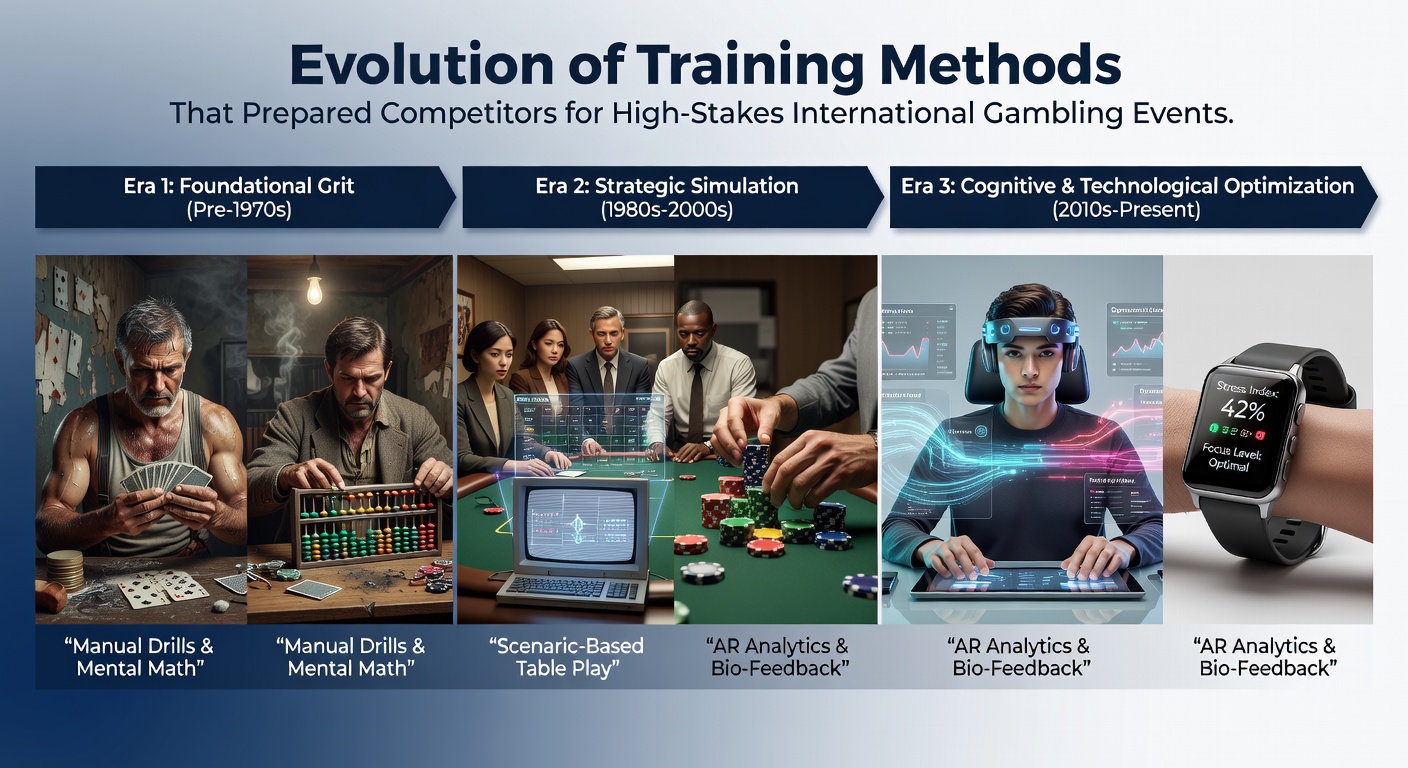 Competitors preparing for major international gambling events have followed a clear progression in their preparation methods over the decades, moving from informal mentorship arrangements and manual record-keeping toward structured programs that incorporate advanced analytics and psychological conditioning. This evolution reflects broader shifts in technology and regulatory environments across regions, with participants adapting to increasingly complex tournament formats that span poker series, sports betting syndicates, and specialized table game circuits.
Foundations in the Mid-20th Century
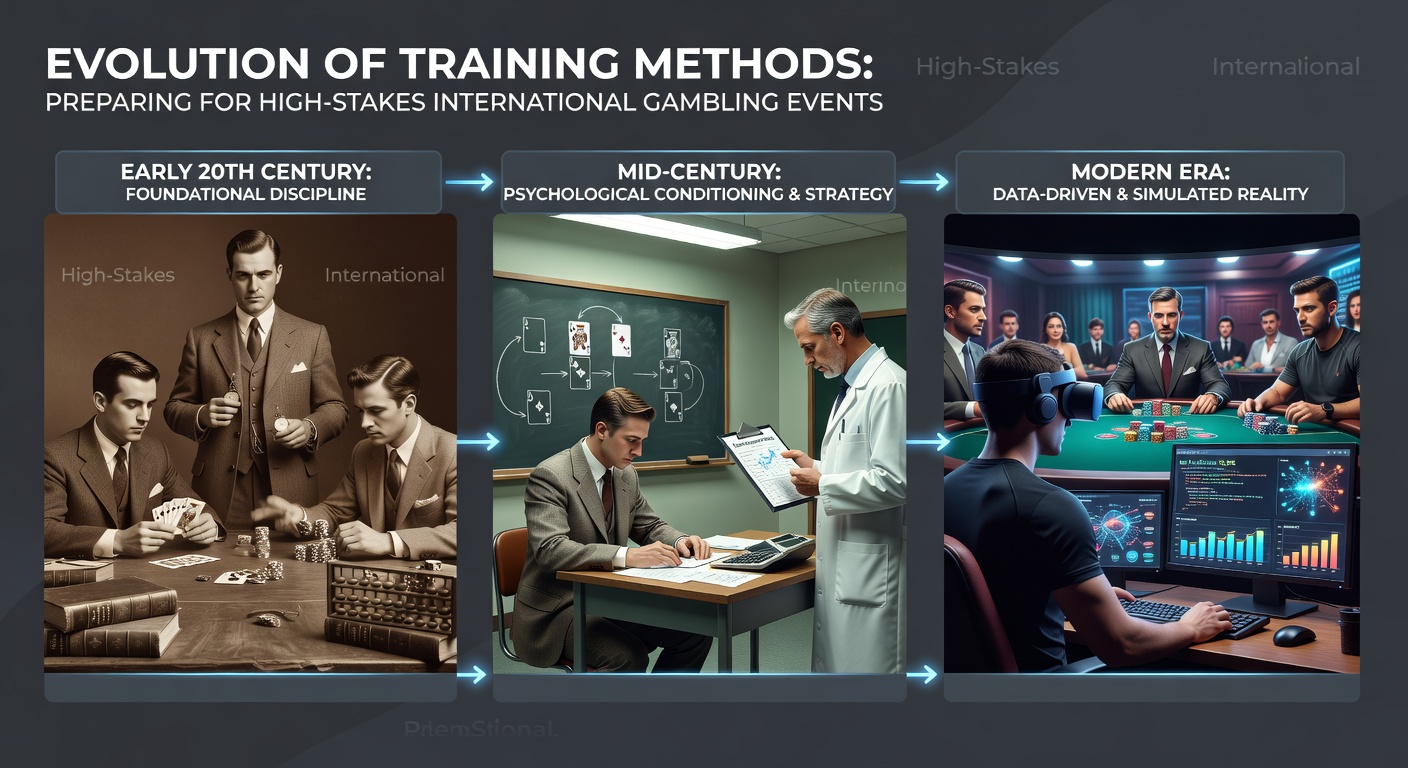
Observers note that early training relied heavily on direct observation and repetitive practice under experienced guides who passed along basic probability calculations and table etiquette through personal apprenticeships. Those entering high-stakes circuits in the 1950s and 1960s often tracked outcomes in notebooks while testing strategies during extended sessions at private clubs or regional venues, building intuition without access to computational aids. Data from period accounts shows that success correlated closely with accumulated live experience rather than formalized study plans.
Researchers documented how these foundational approaches emphasized bankroll discipline and pattern recognition through repeated exposure to variable outcomes, laying groundwork for later refinements. Participants frequently traveled between international locations to gain exposure to different rule variations and opponent styles, which served as an organic form of cross-cultural preparation.
Introduction of Structured Resources and Technology
By the 1980s and 1990s, printed manuals and early computer programs began supplementing live practice, allowing competitors to review historical results and simulate scenarios away from actual tables. This period marked a transition toward repeatable drills that isolated specific skills such as hand selection or wager sizing, reducing reliance solely on trial-and-error during real events. Studies from academic institutions tracked how access to these tools expanded participation from a narrow circle of professionals to a wider group of dedicated aspirants.
What's interesting is the way video recordings of tournament play entered training routines around the same time, giving individuals the chance to analyze decision points frame by frame and compare their own approaches against recorded experts. Regulatory bodies in various jurisdictions, including those in Nevada and parts of Europe, began noting the growing professionalism as participants arrived at events with documented preparation logs rather than depending entirely on instinct.
Psychological and Physical Conditioning Layers
Training expanded in the early 2000s to include dedicated mental performance work alongside technical drills, with coaches addressing focus maintenance and emotional regulation during extended competition stretches. Programs incorporated breathing techniques, visualization exercises, and scheduled rest periods that mirrored protocols used in other performance fields, addressing the documented strain of multi-day international formats. Evidence from participant surveys indicates measurable improvements in consistency when these elements combined with existing mathematical preparation.
Physical fitness routines also gained attention, as longer tournaments demanded sustained concentration and stamina that sedentary practice alone could not build. Nutrition planning and cardiovascular conditioning became standard components in many preparation schedules, particularly for those targeting events scheduled across multiple time zones and climates.
Data Analytics and Simulation in Recent Years
Contemporary methods integrate real-time data platforms and machine-learning models that process vast historical datasets to identify edges in specific game variants or betting markets. Competitors now run thousands of simulated hands or scenarios daily through specialized software, refining responses to rare but high-impact situations that occur infrequently in live settings. Reports compiled by industry groups such as the American Gaming Association highlight how these tools have shortened the learning curve for newcomers while allowing veterans to maintain sharpness between major circuits.
Virtual reality environments entered training pipelines around 2022, creating immersive replicas of international venues complete with crowd noise and lighting conditions that replicate actual tournament atmospheres. This technology enables practice under pressure without financial risk, and usage has accelerated as hardware costs declined and software compatibility improved across platforms.
Developments Anticipated for May 2026
Preparations for events scheduled in May 2026 already incorporate hybrid models that blend live coaching with AI-assisted review sessions, reflecting ongoing adjustments to new tournament structures announced by organizing bodies. Regulatory updates in several jurisdictions have prompted additional modules focused on compliance awareness and responsible bankroll protocols, ensuring participants meet evolving standards for international eligibility. Figures from preliminary registrations suggest higher entry numbers as training accessibility continues to broaden through online academies and regional workshops.
Those tracking the field observe that collaborative study groups and shared databases now supplement individual routines, allowing competitors to benchmark progress against anonymized peer data while respecting privacy frameworks established in different countries.
Conclusion
The arc of training development for high-stakes international gambling events demonstrates consistent adaptation to available tools and environmental demands, progressing from personal mentorship to technology-supported, multi-dimensional programs. Participants who integrate historical lessons with current analytics and conditioning practices position themselves for sustained performance across global stages, while regulatory and technological changes continue shaping the next phase of preparation standards.